The Ondo State Government is taking strategic steps to mainstream biodiversity conservation into its development planning and budgetary framework, following the state’s selection as one of Nigeria’s two pilot states for the Fast-Tracking Transformation through Sustainable Public Finance for Biodiversity (FAST) Project.
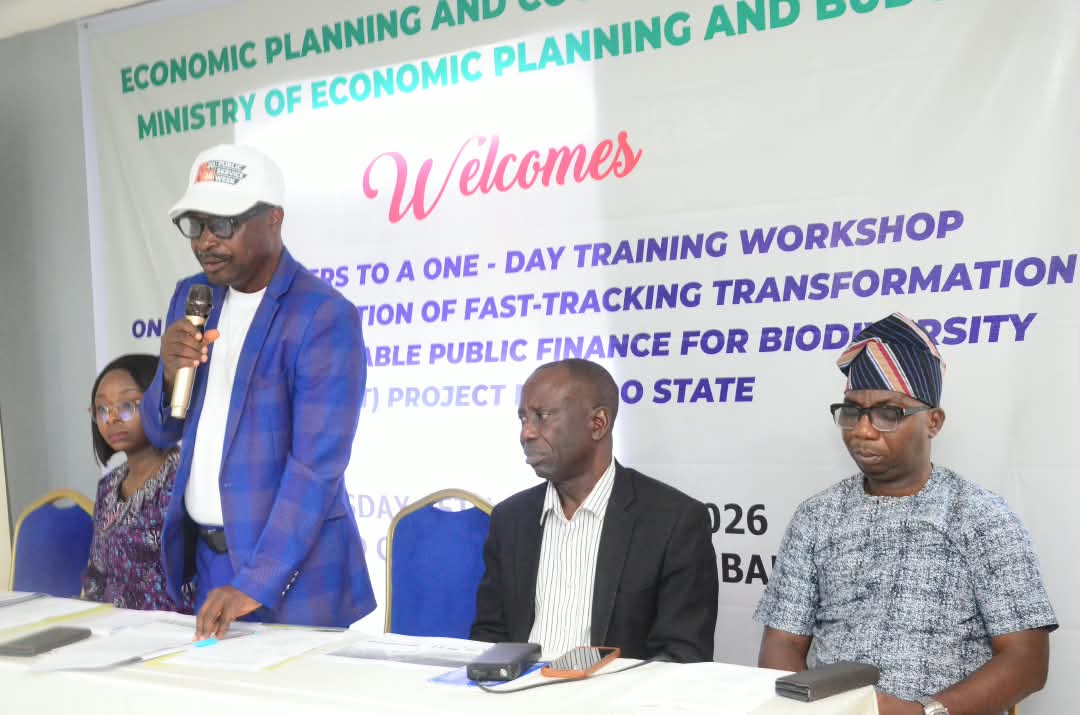
The Commissioner for Economic Planning and Budget, Hon. Laolu Akindolire, stated this while welcoming participants to a technical work-planning session under the Fast-Tracking Transformation through Sustainable Public Finance for Biodiversity (FAST) Project in Akure.
Represented by the Ministry’s Permanent Secretary, Revd. Olorunnisomo Ogunlade, Akindolire commended Governor Lucky Orimisan Aiyedatiwa for approving Ondo State’s participation in the initiative, noting that the decision reflects the administration’s commitment to sustainable development, prudent public finance management and responsible natural resource utilisation.
The Commissioner explained that the FAST Project aims to mainstream biodiversity and climate considerations into government policies, budgeting and investment decisions, ensuring that public expenditure promotes environmental conservation, sustainable livelihoods and long-term economic development.
He explained that Nigeria is participating alongside Brazil, Costa Rica and Indonesia, with Ondo and Plateau selected as the country’s two pilot states. He described the selection as an opportunity to strengthen public finance systems and make environmental sustainability a key component of the state’s development agenda.
Mr Akindolire commissioner stressed that biodiversity is both an environmental and economic priority, as forests, agricultural lands, water resources and other natural assets sustain livelihoods and support economic activities. He added that the project would complement existing state policies, programmes and budgetary priorities.
He disclosed that the Ministry had directed participating institutions to review existing policies, programmes and projects to identify practical interventions for implementation. He called for stronger collaboration among government agencies, civil society organisations, women farmers’ groups, research institutions and development partners, noting that biodiversity conservation cuts across several sectors.
The Commissioner, therefore, urged participants to develop a clear and actionable work plan outlining priority interventions, responsible institutions, timelines, funding opportunities and expected outcomes to guide the integration of biodiversity considerations into Ondo State’s budgetary and development planning processes.
Speaking at the engagement, the FAST Project Team Lead, Mrs. Sharon Kaburuk, said the initiative was designed to promote the adoption and sustainable implementation of biodiversity-friendly practices in participating countries.
She explained that the project was being implemented in Nigeria, Brazil, Indonesia and Costa Rica through a consortium involving the Deutsche Gesellschaft für Internationale Zusammenarbeit (GIZ) and the United Nations Environment Programme (UNEP).
The initiative is funded by the Global Environment Facility (GEF), with additional co-funding from the German Government’s International Climate Initiative (IKI).
Presenting findings from a biodiversity assessment conducted across 12 Nigerian states, the FAST Technical Adviser, Mr. Adewale Agbojo, identified Ondo State as having the highest biodiversity potential among the six southern states assessed.
He highlighted cocoa production and other tree crops as strategic opportunities for advancing biodiversity conservation, supporting climate objectives and promoting sustainable land use.
The assessment also emphasised the need to increase funding for environmental protection and biodiversity-related activities while strengthening sustainable agricultural value chains, ecotourism development, public-private partnerships and collaboration among relevant institutions.
The ongoing engagement with the Ondo State Government is expected to help identify practical measures for incorporating biodiversity considerations into policy formulation, budget preparation, resource allocation and public expenditure decisions.
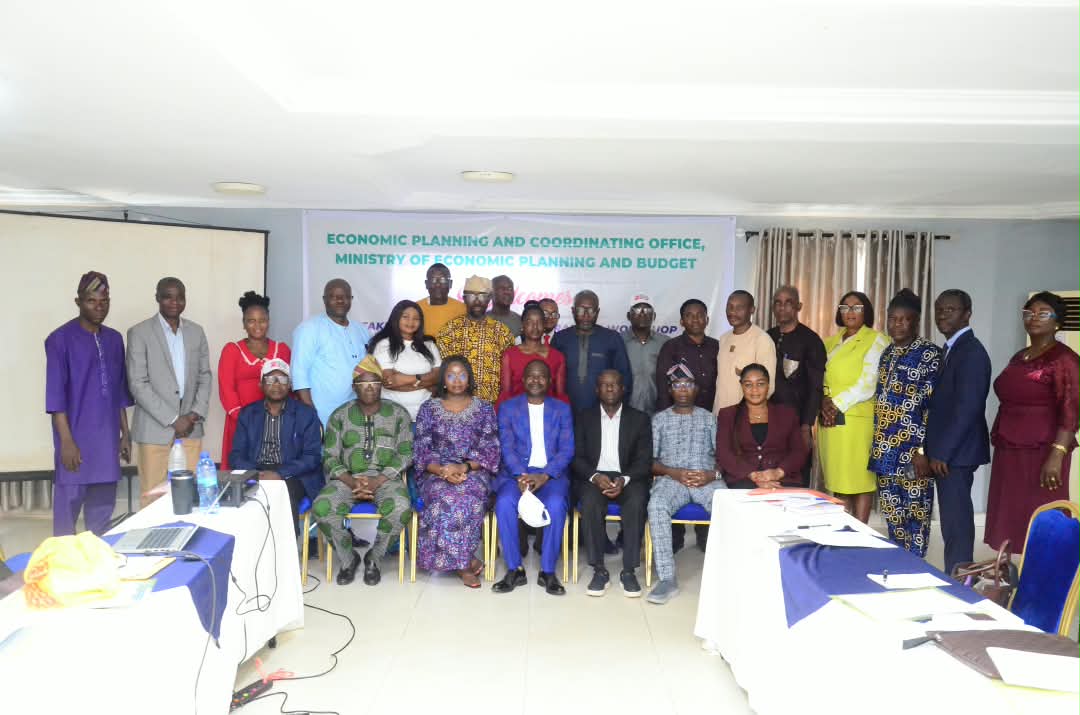
Participants at the technical session included representatives of relevant ministries, research institutions, women farmers’ groups and civil society organisations working in environmental protection and climate-related fields.
Through the FAST Project, Ondo State is expected to benefit from technical assistance, knowledge exchange and institutional support aimed at improving the integration of biodiversity priorities into public spending and development planning.
The initiative also presents an opportunity for the state to strengthen the sustainable management of its natural resources while promoting economic growth, environmental protection and climate resilience.
Ondo and Plateau states are the two Nigerian pilot states selected for the project. Their participation is expected to generate practical approaches and lessons that could inform the wider adoption of biodiversity financing measures across the country.
The initiative underscores the importance of aligning public finance decisions with environmental priorities to ensure that biodiversity conservation becomes an integral part of sustainable development planning in Ondo State and Nigeria at large.
kudirat Abimbola Afolabi,
Information officer,
MEP&B